


"Agility" isn't a buzzword anymore

"Agile" has been so overused and misused that many seasoned leaders roll their eyes at its mention. Yet true organizational agility has never been more critical to business survival.

Throughout my career spanning manufacturing, automotive and technology sectors, I've witnessed "agility" evolve from consultant jargon to fundamental business requirement. The organizations that develop genuine agility—the ability to sense and respond to change quickly—gain tremendous advantages in volatile markets. 🔄
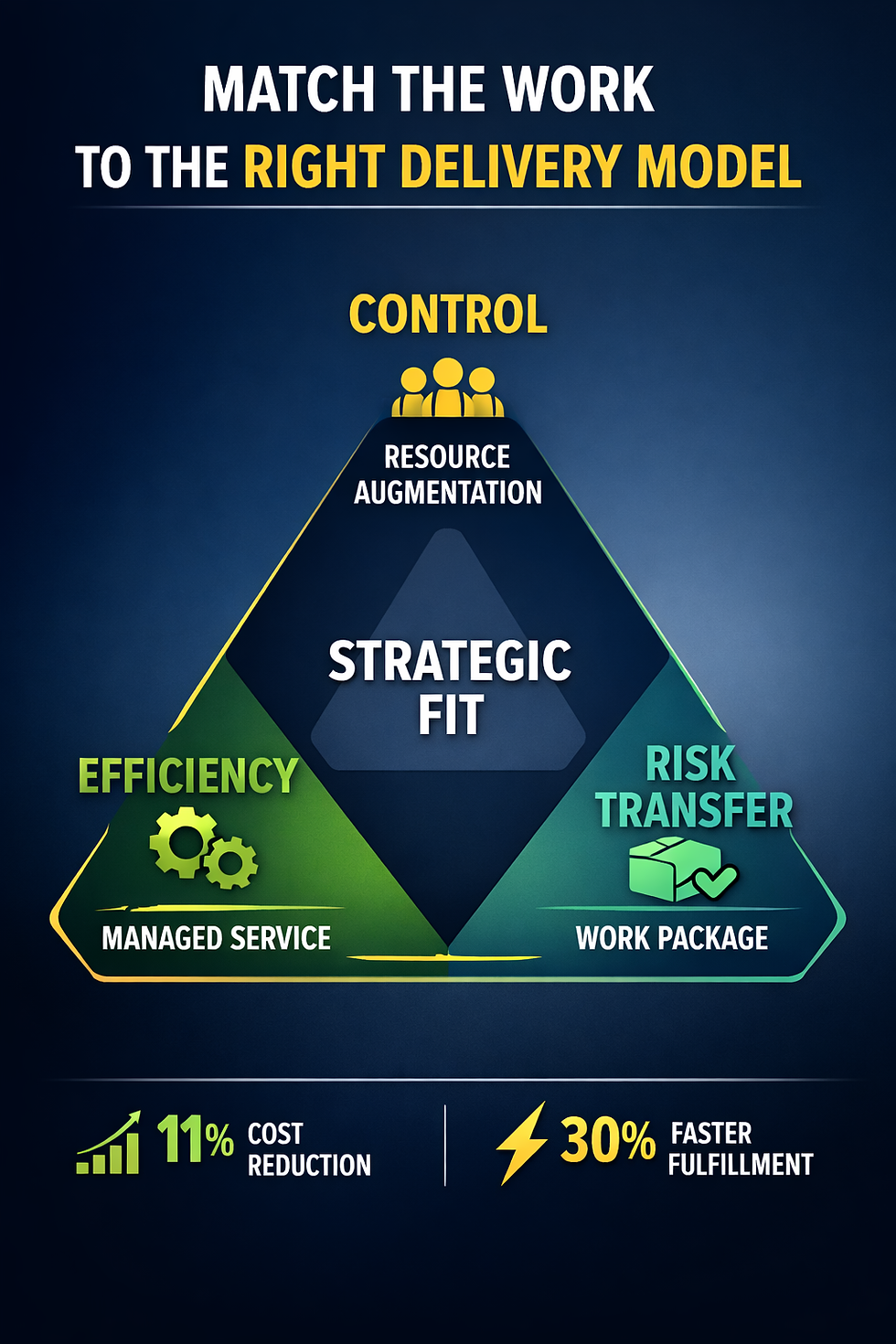
True agility extends far beyond IT methodology. When we optimized demand-to-fulfillment time by 30%, we weren't implementing a framework—we were building the organizational muscle to rapidly respond to changing customer needs through flexible processes and decentralized decision-making.
Agility requires both mindset and infrastructure. When we enhanced visibility of our resources, skills, and deployment status, we were creating the information foundation that enables quick pivots—you can't redirect what you can't see. 🧭
Perhaps most importantly, agility depends on psychological safety. Teams only adapt quickly when they feel secure enough to acknowledge reality, experiment with new approaches, and learn from failures without fear of punishment. As a certified Mental Health First Aider, I've seen how this connection between psychological safety and adaptability plays out in practice.
The organizations that develop true agility—not as a methodology but as a core capability—consistently outperform their more rigid competitors in both stable and turbulent times, turning market disruption into competitive advantage.
Has your understanding of organizational agility evolved beyond frameworks and ceremonies?
What elements have you found most critical to building genuine adaptive capacity?


Comments